Why Warp Knit Construction Outperforms Weft Knit in High-Stress Applications
In warp knitting, each yarn runs lengthwise (in the wale direction) and is simultaneously looped with adjacent yarns across the fabric width. This creates a diagonal interlocking structure that distributes mechanical stress across multiple loop columns rather than concentrating it along a single course — which is exactly how weft knits behave. The practical consequence is significantly higher run-resistance: when a loop in a warp knit breaks, the damage does not ladder vertically through the fabric as it would in a weft knit. This structural advantage makes warp knit the preferred construction for applications where physical integrity under repeated strain is non-negotiable.
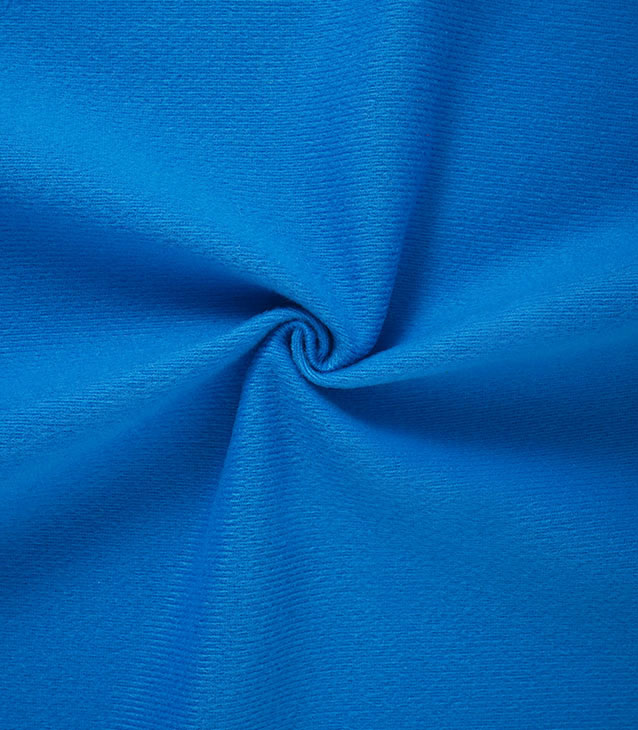
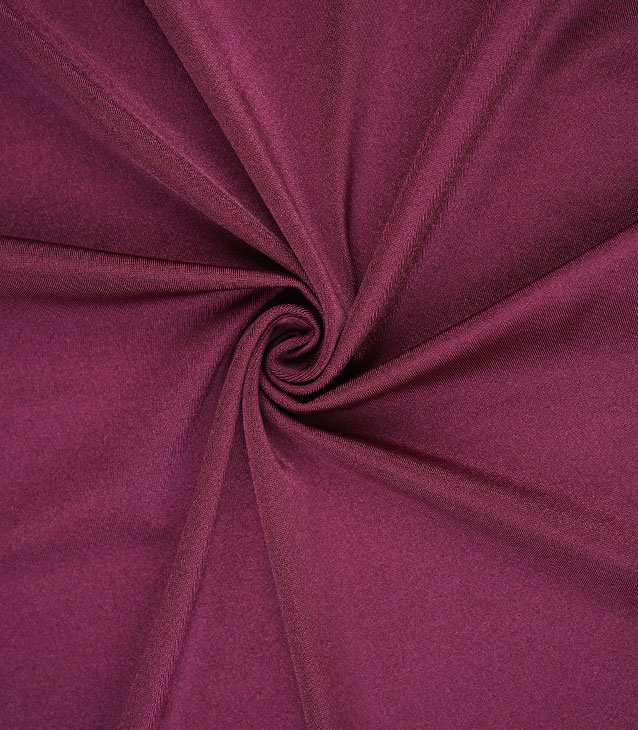
Qida's warp knit fabric collection leverages this construction benefit across its entire range — from swimwear and activewear fabrics that must resist chlorine exposure, UV degradation, and repetitive stretching cycles, to mesh dazzle fabrics used in dancewear and stage costumes that endure continuous movement. The diagonal loop geometry also enables more controlled directional stretch: designers can specify fabrics with high two-way stretch (lengthwise and crosswise) or engineered anisotropic stretch (greater in one direction), which is difficult to achieve consistently in weft knitting without complex patterning.
Another underappreciated advantage is edge stability. Warp knit fabrics do not curl at cut edges the way single jersey weft knits do, which reduces the need for serged or folded seam allowances and simplifies garment construction — a meaningful cost and time saving in high-volume production of fitted athletic and swimwear styles.
Matching Warp Knit Fabric Variants to End-Use Performance Requirements
Each variant within a warp knit collection is engineered around a specific functional brief, and selecting the wrong construction — even within the same fiber family — can result in garments that underperform in the field. The following overview maps key variants to the performance parameters that should drive sourcing decisions:
| Fabric Variant |
Critical Performance Parameter |
Key Consideration for Sourcing |
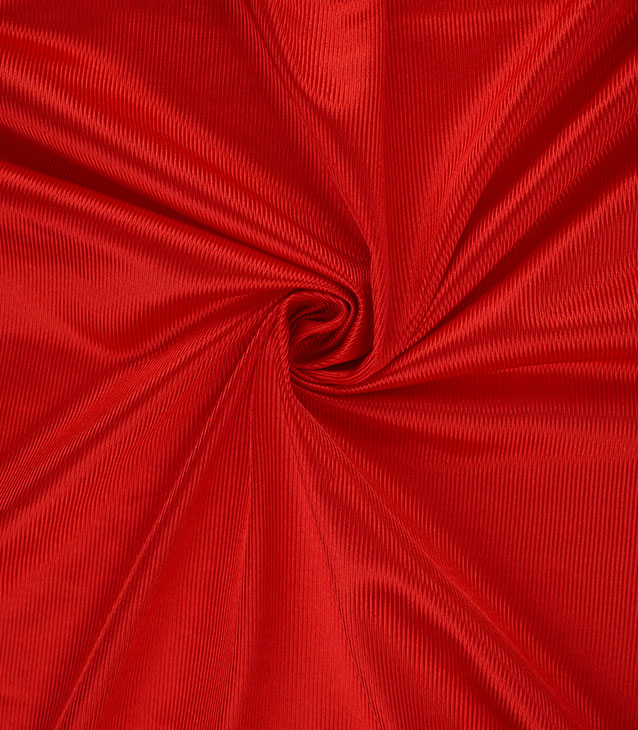
| Polyester Glossy |
Surface sheen retention after washing |
Verify sheen durability to at least 30 wash cycles; check for delustering risk with alkaline detergents |
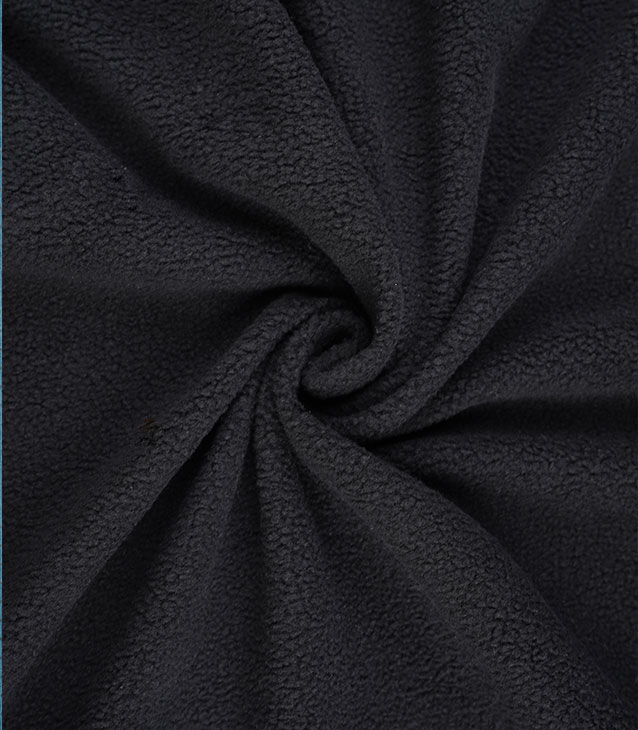
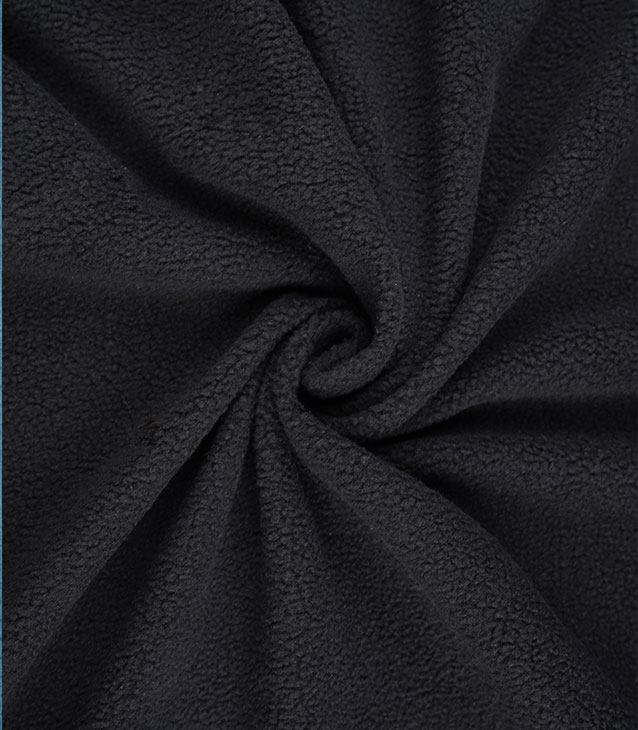
| Polar Fleece |
Thermal insulation (CLO value) and anti-pilling grade |
Request pilling resistance rating (ASTM D3512); confirm GSM relative to insulation target |
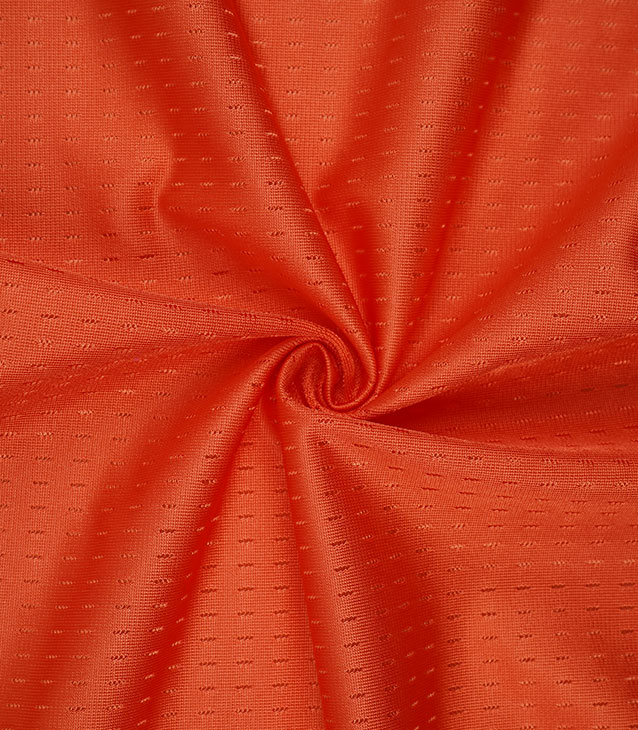
| Polyester Mesh |
Air permeability and burst strength |
Balance open-area ratio against seam slippage risk; test under garment stress loads |
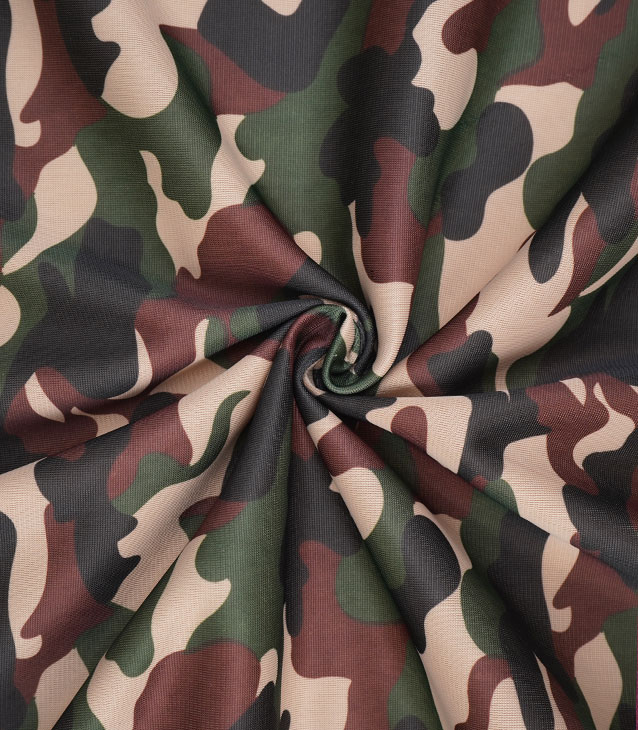
| Printed Warp Knit |
Print registration accuracy and color fastness |
Specify ISO 105-C06 wash fastness ≥4; confirm sublimation vs. reactive print method matches fiber content |
| Mercerized Warp Knit |
Luster consistency and dimensional stability post-mercerizing |
Confirm caustic concentration and tension control during process; shrinkage should be <3% after wet finishing |
| Swimwear Fabric |
Chlorine and UV resistance |
Elastane type matters: chlorine-resistant variants (e.g., Creora HS) extend functional lifespan significantly vs. standard spandex |
| Mesh Dazzle |
Reflective surface durability and flex cracking resistance |
Test reflective coating adhesion under repeated bending; confirm suitability for hand-wash or dry-clean only labeling |
Performance parameters and sourcing considerations for key warp knit fabric variants
This kind of performance mapping is particularly useful during the fabric development stage of a new collection, when decisions made on construction and finish have downstream consequences for both garment quality and care instruction labeling.
The Role of GSM and Loop Density in Warp Knit Fabric Selection
Grams per square meter (GSM) is frequently used as a shorthand for fabric weight and quality, but in warp knits it is a derived outcome of loop density, yarn count, and fiber density — not an independently controllable variable. Understanding what drives GSM in warp knit construction helps brands specify fabrics more precisely and avoid common mismatches between sample approval and bulk production.
Loop density in warp knitting is expressed as courses per centimeter (CPC) and wales per centimeter (WPC). Increasing CPC — achieved by reducing take-down speed on the knitting machine — creates more compact, heavier fabric with less extensibility in the length direction. Increasing WPC requires a finer gauge machine (more needles per inch) and results in a smoother surface with tighter lateral structure. The interplay between these two parameters determines the fabric's weight, hand feel, and functional behavior:
- Low GSM (80–130 g/m²): Typical of mesh and liner fabrics. High breathability and low bulk, but requires careful seam construction to prevent distortion. Well-suited for layering pieces and performance base layers where weight is a priority.
- Mid GSM (150–220 g/m²): The working range for most activewear, swimwear, and printed warp knit fabrics. Provides the balance of stretch recovery, print surface quality, and durability needed for direct skin-contact garments in active use.
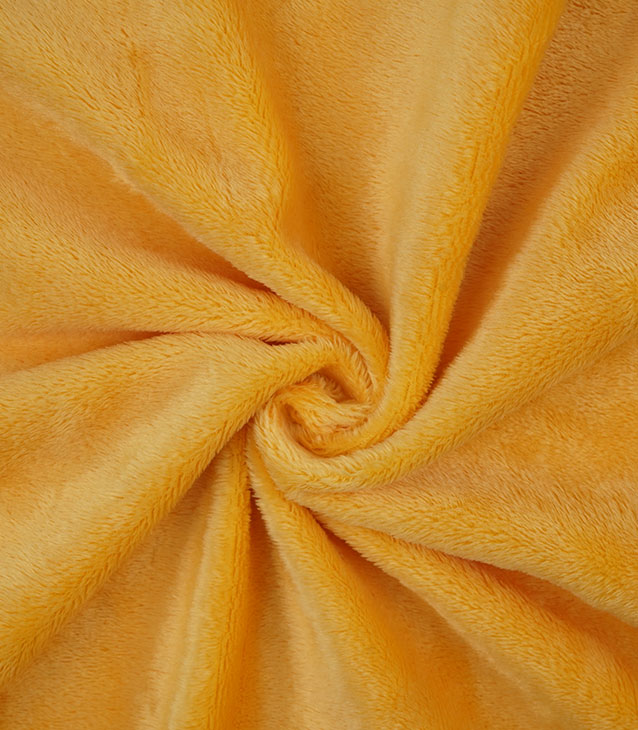
- High GSM (250–350 g/m²): Characteristic of polar fleece and loop pile constructions. Thermal mass increases proportionally, but so does care complexity — heavier warp knits require longer drying times and are more prone to distortion if tumble-dried at high heat.
When evaluating bulk fabric against an approved sample, GSM tolerance should be specified at ±5% rather than relying on visual or hand-feel assessment alone. A 10 g/m² deviation in a 180 GSM swimwear fabric — easily within what the eye cannot detect — can measurably affect stretch recovery and body-mapping performance in the finished garment.
Mercerizing and Surface Finishing: What Actually Changes in the Fiber
Mercerizing is often described in product listings as a process that adds "shine" or a "luxurious feel," but this description understates the structural transformation that occurs at the fiber level — and why it matters for end-use performance beyond aesthetics. Originally developed for cotton, mercerizing in the context of warp knit fabrics refers to a caustic alkali treatment (typically sodium hydroxide at concentrations of 15–25%) applied under controlled tension. The alkali causes the fiber's cross-section to swell from a flattened, twisted ribbon shape into a rounder, more uniform profile.
This morphological change produces several measurable downstream effects:
- Improved dye uptake: The rounder fiber cross-section increases surface area available for dye bonding, resulting in deeper, more saturated colors from the same dye concentration — a meaningful cost saving in high-saturation colorways.
- Enhanced tensile strength: Tension-mercerized fabrics typically show a 10–20% increase in breaking strength, improving durability in fitted garments that experience sustained stress at stress points like underarm seams and waistbands.
- Reduced moisture absorption variance: Mercerized fibers absorb moisture more uniformly, which reduces the risk of patchy dyeing or uneven finishing in subsequent wet processes.
- Surface luster: Light reflects more uniformly off the rounded fiber surface, producing the characteristic silky sheen associated with mercerized textiles — without the use of any topical coating that could wash off over time.
For brands sourcing Qida's Warp Knitted Mercerized fabric for high-end applications, it is worth confirming that mercerizing was carried out under tension (rather than slack mercerizing), as tension-controlled processing is what delivers dimensional stability alongside luster. Slack-mercerized fabric achieves softness but sacrifices the crispness and structural improvement that tension mercerizing provides.
Printing on Warp Knit: Why Fabric Stability Is the Deciding Factor
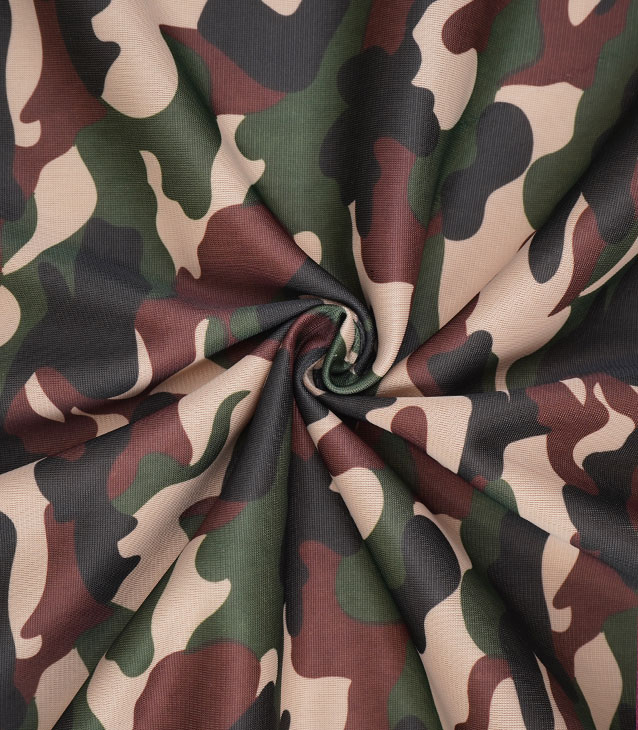
Achieving sharp, consistent print registration on knitted fabrics is considerably more demanding than on woven substrates, and warp knit construction is specifically valued in printed textile applications because of its dimensional stability under the tension applied during printing and finishing. In sublimation printing — the dominant method for polyester warp knits — ink is transferred from a printed paper carrier to the fabric surface under heat (typically 180–210°C) and pressure. Any distortion of the fabric during this process causes the printed design to shift, stretch, or blur at seam lines once the finished garment is under stress.
Pre-Print Fabric Preparation
Before printing, warp knit polyester must be heat-set to stabilize the loop structure and relax any residual tension introduced during knitting. Under-heat-set fabric will continue to shrink during the sublimation process, causing print distortion that cannot be corrected after the fact. Heat-setting at 170–190°C for a dwell time of 30–60 seconds is standard for polyester warp knits, but the exact parameters must be validated per fabric construction — a looser mesh structure requires lower temperatures to avoid loop deformation.
Color Fastness and Print Depth on Warp Knit vs. Woven
Because warp knit polyester has a higher surface area per unit weight than comparable woven polyester (due to the looped yarn geometry), sublimation dye penetration is more thorough, resulting in richer color depth and better wash fastness ratings. However, this same characteristic means that over-printing or excessive dye loading can cause dye migration — where sublimation dye moves from the printed face to adjacent layers of fabric during storage, particularly in dark colorways packed under pressure. Specifying anti-migration finishing or requesting bleed test reports from the mill before approving bulk production is a practical precaution for dark-ground printed warp knit orders.



 中文简体
中文简体